AI runs through so many aspects of modern life, from smart thermostats to digital assistants. But is AI ethical, and what does this even mean? Hot on the heels of our latest article on ChatGPT, we wanted to take a deeper look at the ethical impact of AI.
Getting a grip on ethics in AI could help you get a head start on tech education for your youngsters — and yourself.
Ethics in AI: What Does it Mean?
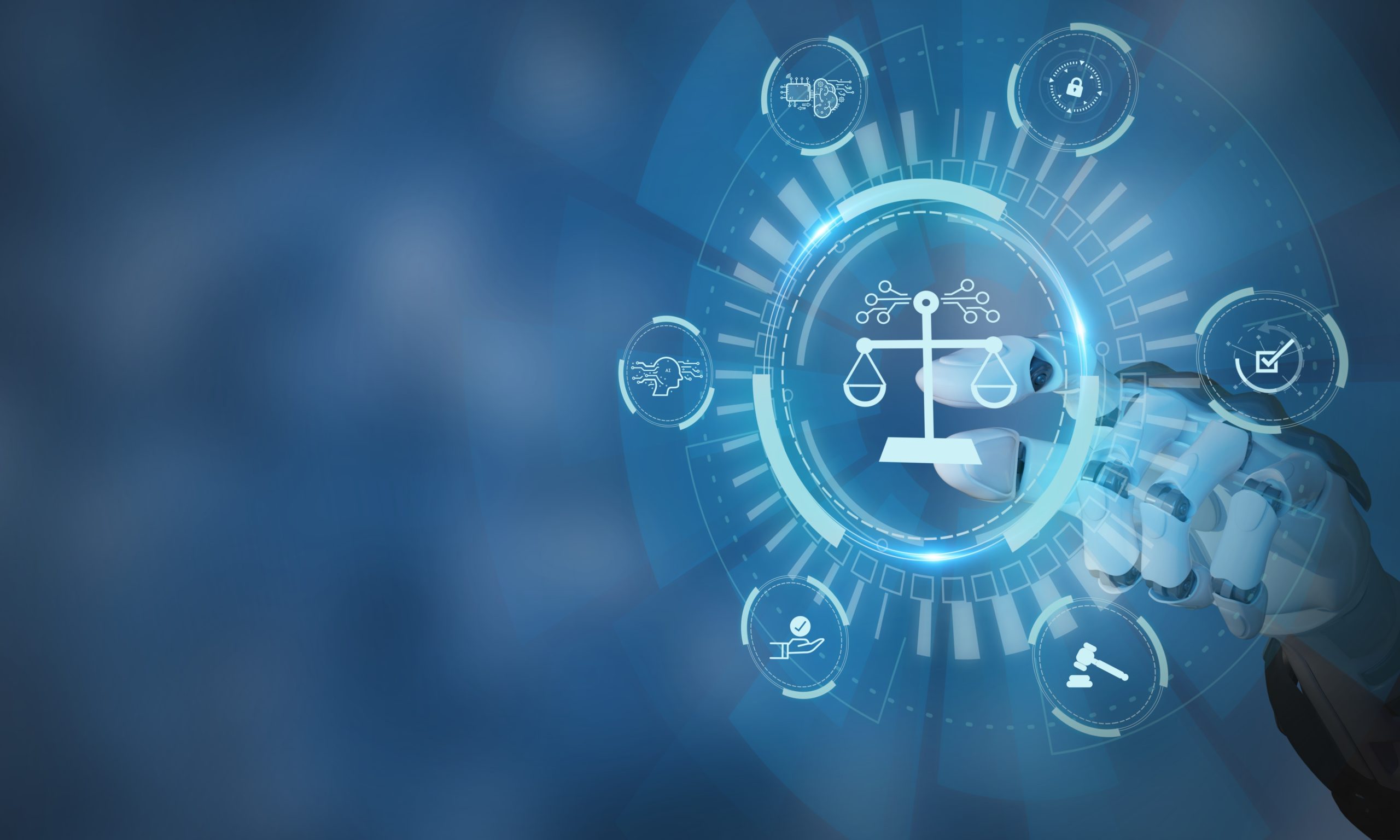
All technology carries risks and must be used ethically in order to make it an equitable solution — one that doesn’t inadvertently discriminate against certain groups of people. Cars help people get from A to B, but they can cause injury and death when misused. The Internet of Things connects more devices than ever, but can be abused by hackers as another way to access systems and gain data.
What are acceptable ethics?
As a reminder, general ethical principles include the motivation to do good, the lack of motivation to cause harm, allowing everyone to have autonomy over their own lives and choices, and a foundation of justice within systems and individual choices.

Recent AI Ethical Controversies
When AI-based systems seem to veer away from justice and instead cause unfairness or even harm, this is an issue with AI ethics. There have been several high-profile ethical controversies related to AI in recent years. Let’s take a look.
Google Deep Mind and the NHS

Google Deep Mind is a commercial AI project. In 2015, the team partnered with an NHS trust to gather data on kidney disease. The idea was to create an app that was better than humans at spotting the early signs of the condition. However, controversy began when it came to light that the AI had access to the patient data of 1.6 million people. These people had never given consent to have their personal information used this way, and Google could be facing a financially significant lawsuit.
Grading Exams with an Algorithm

This is one example of how AI can deeply affect the young people in your life. During lockdown, many A-level exams were cancelled, but of course it wasn’t fair for the students who had worked so hard to simply not get a grade. Teachers gave predicted grades, but the UK government felt that these grades would be too optimistic. The solution? The Ofqual algorithm. This algorithm used historical student data and other factors to provide grades. So many grades dropped, however, that mass protests occurred. The system was quickly dropped.
Facial Recognition Racial Bias

Facial recognition is used in many systems, from policing to private ventures. It works great if you’re a white man, but if you’re black or a woman, or both, the chances of the AI getting it wrong are much higher. Numerous studies have shown that this is the case, and, hopefully, facial recognition developers are now tackling these potentially dangerous biases.
Bias in AI
The key takeaway from these controversies is that an AI is only as good as the information it’s been trained with, and that information comes from humans who are, in most cases, biased in some way. Those biases can be magnified with AI. When an AI-based system makes a decision based on biased input, and that decision is not challenged, it learns that this is fine to do. Without fast intervention o deal with apparent biases, AI could quickly become very discriminatory.
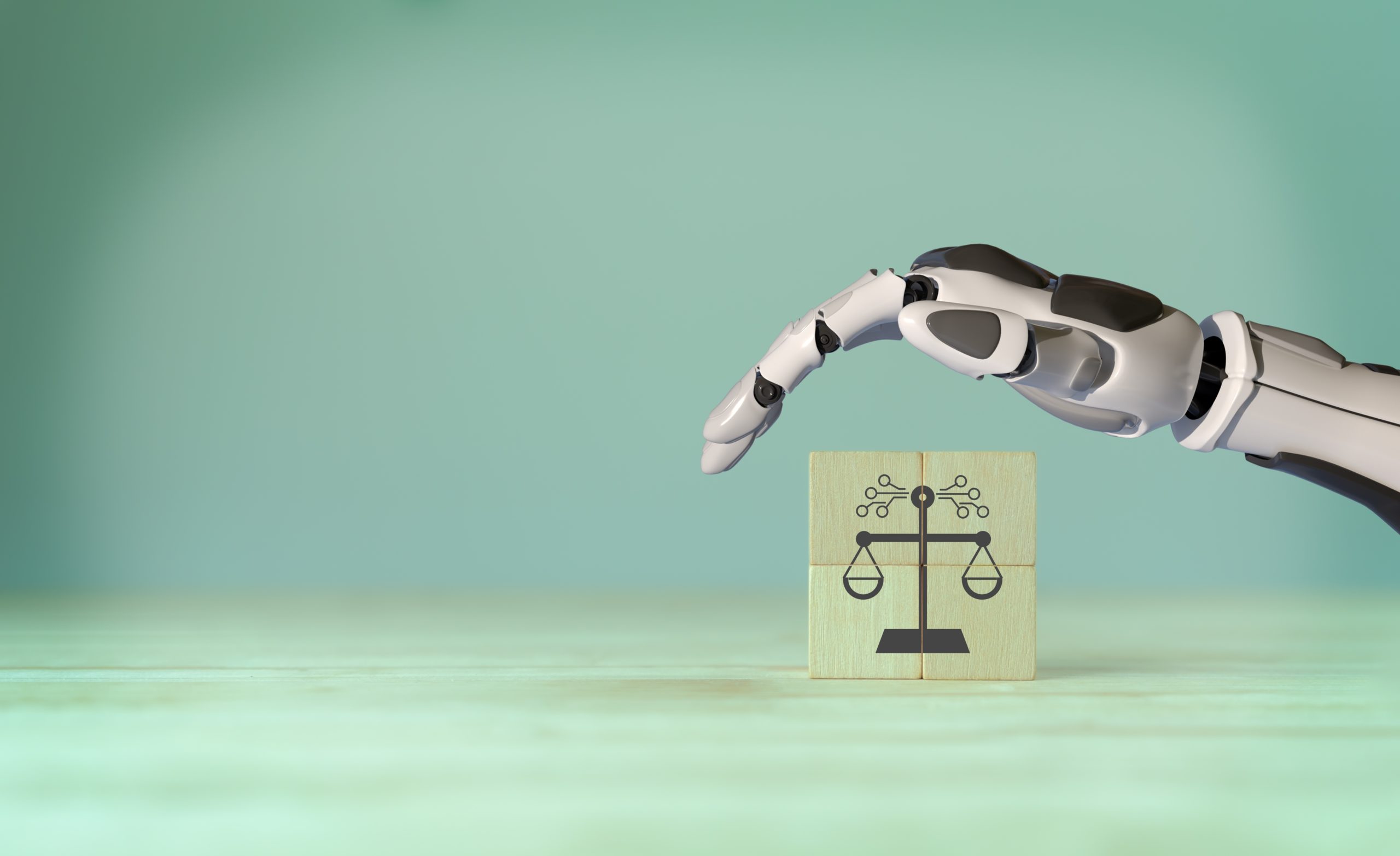
Dr Mhairi Aitken, Ethics Fellow at the Alan Turing Institute, tells a story about Volvo and kangaroos. A self-driving car performed amazingly in Sweden, but when further tests occurred in Australia, it didn’t know what to do when a kangaroo stepped out into the road. The context that the AI is developed in has an incredible bearing on the outcomes. AI developers make assumptions about what algorithms need to know about the world they’ll be deployed in, and currently, those assumptions are often missing crucial data. This can have unforeseen impacts — especially for kangaroos, in this instance.
How This Affects Your Kids
Dr Aitken goes on to state that, in a way, kids and young people are a group of kangaroos. They’re a group that’s not been considered properly during the development of AI technologies.
“Children growing up today are the first generation who are interacting with AI technologies on a day-to-day basis,” says Dr Aitken, in the Raspberry Pi AI ethics seminar. “AI is being used in the classroom, it’s being used to tailor learning… AI is in interactive toys, interactive devices in the home such as smart speakers which are not necessarily designed for children but increasingly are being used by children.”

When you consider all the ways children and young people interact with AI, it’s definitely never too early to get them to consider how AI is trained and the ramifications when AI developers get things wrong. However, it’s also amazing to see the many benefits AI brings to modern daily life. ChatGPT, for example, could be used to help kids cheat at their homework! But it can also help teachers and home educators create meaningful lesson plans or bullet point complex topics.
The Future of AI for Kids

There are two main categories of concerns when it comes to AI: epistemic and normative. Epistemic concerns are around the quality of the data used to train AI, whereas normative concerns look at how the AI will impact individuals or society. If we get our kids involved with AI from a younger age, perhaps we’ll see more focus on those normative, human-based concerns and a move towards truly ethical AI-based services without our lifetime.
Girls Into Coding offers peer-to-peer tech and STEM education groups engaging girls in tech projects from robotics to computing. Click here to find out more about how we encourage the girls in STEM of today to become the women in tech of tomorrow!

Sign up here to our Girls Into Coding mailing list to be among the first to receive our articles and to know about future events!