Recently, we wrote about the importance of transferable skills in an AI age, and how human qualities like empathy, emotional intelligence, and creativity aren’t going anywhere. Yet there are still fears and worries about how AI may impact the future, particularly for our children and young people. Will all work exist solely in the digital, AI-developing sector? Will jobs be taken away as AI use increases?
Thankfully, the evidence overwhelmingly shows that human capabilities will always be required, and could even be the key to developing the AI of the future.
AI Anxiety: Justified Concerns or Fearmongering?

One of the most commonly asked questions about the rise of artificial intelligence is, “Will AI take my job?” It’s normal to be concerned that a technology that can imitate and automate human interaction via chatbots, voice assistants, and other tools may take over multiple roles. Fears surrounding an AI takeover are exacerbated by opinion pieces that take research statistics and highlight them out of context, like this Inc. article that suggests employees will need grief counselling when AI takes their jobs.
Realistically, we’re far from the doom and gloom portrayed in some areas of the media. Despite the rise of generative AI, for example, artists, writers, and musicians are as prolific as ever. There’s a very different market for fine art than there is for prompt-generated graphics. Similarly, complex customer queries will always require human intervention. AI can currently only handle fairly basic queries, and isn’t ready to replace human interactions that require empathy or out-of-the-box solutions.
AI’s Impact on the Job Market So Far
Of course, it would be inaccurate to say that AI hasn’t altered how people work. TechRound recently reported that AI and automation are changing the shape of the UK job market. Unsurprisingly, some roles that involve multiple repetitive tasks, such as data entry, are disappearing as automated tools take over.
Some teams are able to leverage AI to streamline their personnel. For example, recruiters are now utilising AI-powered applicant tracking systems that sift CVs and cover letters for keywords and qualifications, removing the need for hours of tedious admin.
Does this mean that there will be fewer jobs for humans in the future? Unlikely. AI can’t take the place of jobs requiring physical labour and human interaction. From sanitation workers to landscape architects to customer service managers, there will always be roles that AI simply can’t replace.
In fact, it’s more likely that humans in these roles will adopt AI to work smarter, perhaps utilising:
- AI-powered route tracking for refuse collectors to avoid road closures and other obstacles
- AI tools for better land management and reducing environmental impact
- Suites of AI-driven business intelligence tools to inform managers of customer trends
AI is a technology with the potential to open up opportunities rather than eliminate them.
Synergy of AI and Human Capabilities
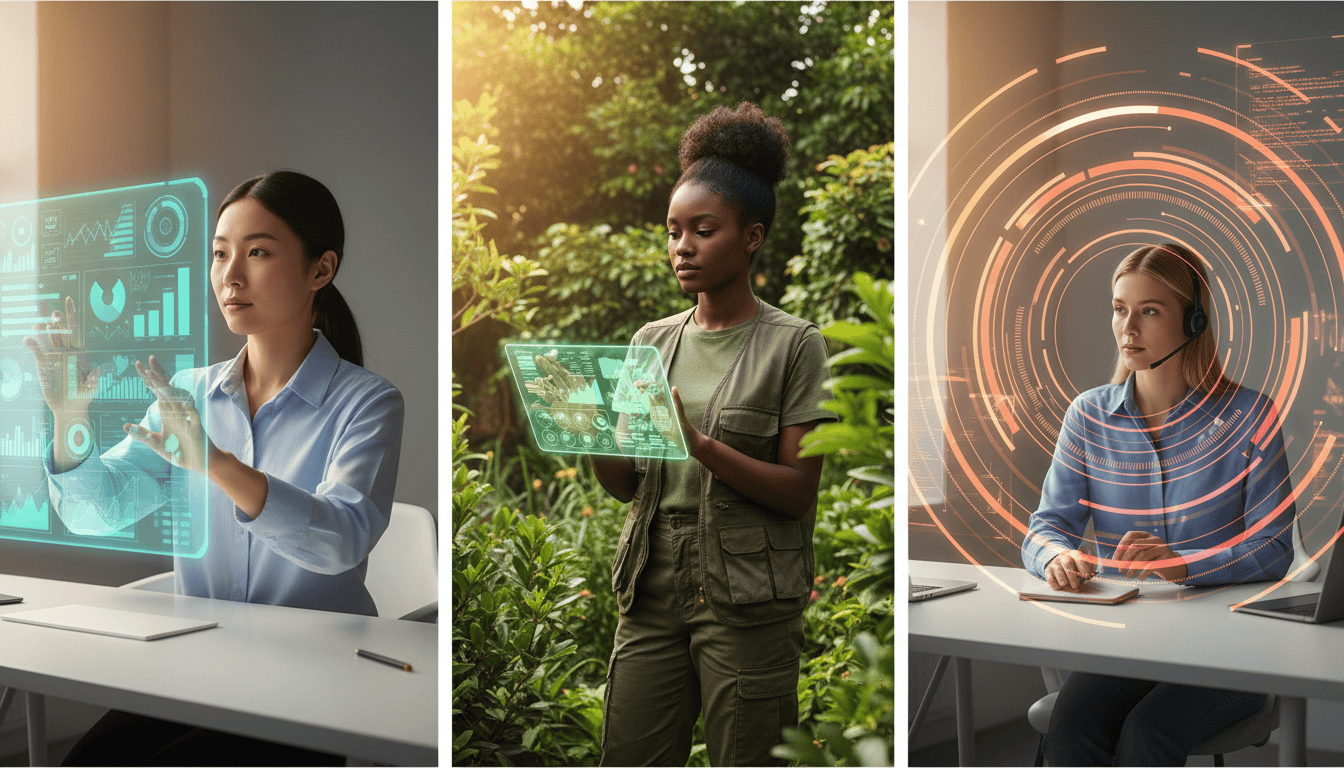
Understanding that a partnership of AI and human capabilities is more likely than an “AI takeover” provides peace of mind. But it doesn’t quite answer the all-important question: What skills should young people be focusing on to ensure job security in the future?
We’ve already explored the importance of creativity, analytical thinking, and emotional intelligence. However, there are other skills that humans cultivate that can’t be replicated by AI. More importantly, these skills can help improve AI, making it more capable, more trustworthy, and a better technological collaborator.
Cultural intelligence is one critical quality that humans should seek to cultivate in ourselves as individuals and communities, but also in the technologies we produce. Enhanced cultural intelligence provides the ability to understand different perspectives and points of view from all walks of life.
It’s about more than diversity and inclusion; it encourages people to thrive when working with people from different cultures and backgrounds. Instilling those qualities into AI and machine learning algorithms could produce software, tools, and AI-powered hardware with reduced bias and a higher level of accessibility.
Communication is also an essential “soft skill” that’s often taken for granted. Speaking and typing are commonly used by both humans and technology, like AI chatbots. However, as any hard-of-hearing person will quickly explain, words are only a fragment of effective communication. Body language, tone, micro-expressions, gestures, and even where you stand in relation to another person all change the message you’re trying to get across. Experts suggest that just 7% of communication is verbal.
This raises challenges when people have different communication styles or trouble interpreting body language. It can also mean that AI tools are created with poor interfaces or communication methods. Again, cultivating understanding through cultural and emotional intelligence is the key to addressing these challenges — and crafting better technological collaboration tools.
Technology Driven by Compassion
Ultimately, as machines get smarter, human qualities become more invaluable. Investing in empathy, compassion, and innovation means that the AI of the future will be more useful, more fair, and free of bias — and could help fix the major challenges of our society.
At Girls Into Coding events, girls aged 10-14 from a range of backgrounds learn to communicate and work together on so many exciting tech education projects. From AI to engineering, coding to 3D printing, they learn the digital skills alongside essential, transferable skills that they can carry into the future. Find out how we’re transforming the girls in tech of today into the women in STEM of tomorrow.