Interactive Art via Augmented Reality
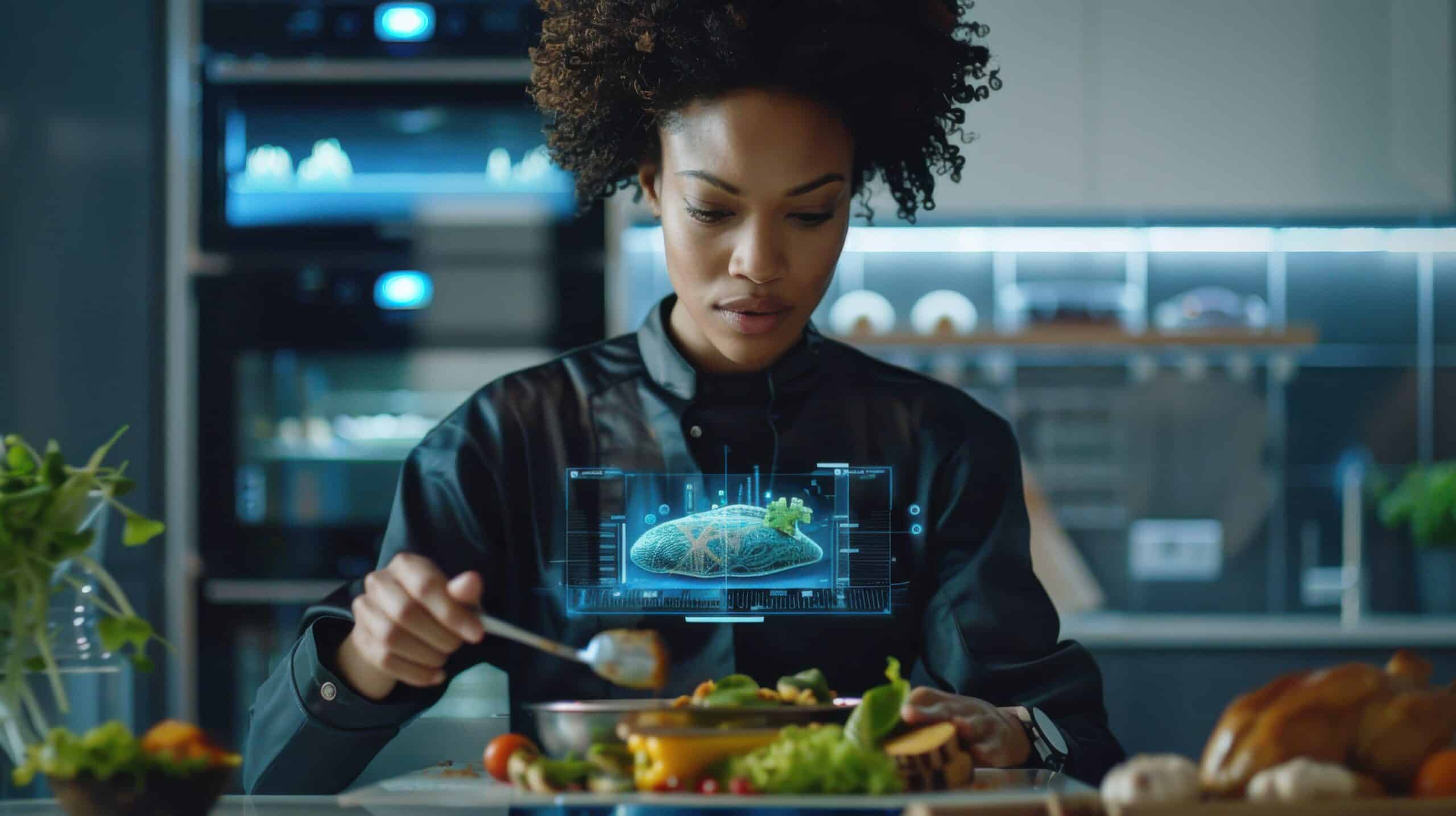
Augmented reality (AR) means digitally superimposing something onto what you see in real life, usually using the screen of a smart device. Think Pokémon Go, where you see the Pokémon as if they’re standing on the street or in your kitchen. AR is useful for much more than gaming, though. Some museums have taken inspiration from their exhibits to create truly immersive AR experiences.
The Muséum national d’Histoire naturelle in Paris uses AR as the perfect way to introduce guests to its extinct exhibits. 3D digital artistry is used to create stunning models of Tasmanian tigers, dodos, and more. AR glasses — provided by the museum — make it seem as though these creatures are right there with you as you walk the Revivre exhibit.
Other museums following suit include San Fransisco’s de Young Museum, where visitors can digitally “try on” historical and designer outfits. Even the National Gallery in London offers apps that allow you to explore art in unique ways, such as wandering the lost church of San Pier Maggiore — no matter where you are.
During the COVID-19 pandemic, app developers and artists worked together to create virtual exhibitions. Olafur Eliasson was one artist involved, and he made it possible for those isolated by lockdown to view his giant sun installation — originally at the Tate Modern — in their living rooms.
AR art is a win because it’s so accessible. Viewers don’t need expensive headsets or virtual reality (VR) equipment. They can use any smartphone or tablet with a camera and an internet connection. But these AR apps aren’t the only art-inspired innovations.
Interactive Experiences Outside the Gallery

Imagine wandering down a city street and you see a burst of colour. You look over and see a crowd has gathered in what looks like the base of a city office block. Get closer, and you see that the inner walls of this space are covered in shifting, swirling shapes, comic-book-style graphics, and text — and all the while, ethereal music plays from unseen speakers.
That’s the scene at the Now Building near London’s West End. Run by digital experiential marketing experts Outernet, the building is lined with screens that show various art installations, one after the other. Some are haunting, some are mesmerising, while others are whimsical and fun. The Butterfly Trail, for example, immerses you in a beautiful, Victorian hothouse filled with plants and butterflies. Download a free app and you can use AR to let one of the butterflies gently land on your hand. The AR is gesture-controlled for additional immersion — no need to press buttons once the app is open.
While pop-up art installations aren’t new, creating a huge, entirely digital and interactive space like this is certainly a step forward. The accessibility of the space — it’s free, wide-open, and at street level — is making it one of the top attractions in the UK. The future could see more spaces like this open up, allowing people to take in twenty minutes of art on their lunch breaks rather than waiting until they have several hours free to visit a traditional art gallery.
Artists Inspiring Innovators

One of the commonalities of the experiences above is that they’re largely artist- or creator-led. The need to interact with art consumers has driven the technological advancements we’re seeing here. With AI-generated art sparking conversations around the loss of human creativity, it’s positive to see so many hard-working artists, curators, musicians, and digital creators working tirelessly to create experiences like this.
In the future, maybe the conversation could shift to how AI can work in tandem with artists — or follow their lead in terms of training and ethics. One of the major concerns about AI-generated art is that it’s trained on any art available online. That means the algorithms that tell it how to make an image, video, or piece of music are largely using parts of other people’s work. This raises issues around copyright and originality, especially when artists haven’t consented to their work being used in this way.
A consensus between artists and AI developers on gaining consent and addressing other concerns such as bias and transparency could make AI much more palatable for the art community. The future of art and technology should, ideally, be more examples like those above — where innovation and collaboration drive both disciplines to the boundaries of what’s possible.

Girls Into Coding hosts FREE tech education and engineering events for girls 10-14, exploring coding, engineering, robotics, and more. Discover the intersection of art, design, and technology at one of our events. We’re proud to help transform the girls in tech of today into the women in tech of tomorrow.