Autonomous vehicles. Smart infrastructure. Renewable energy systems. These are all examples of technology driving progress, and they all have two things in common: They all require the skills of a coder and an engineer.

Engineering and coding are the dynamic duo of technological advancement, and the closer these two disciplines work together, the more innovative the solutions of the future may turn out to be.
The Intersection of Coding and Hardware Engineering
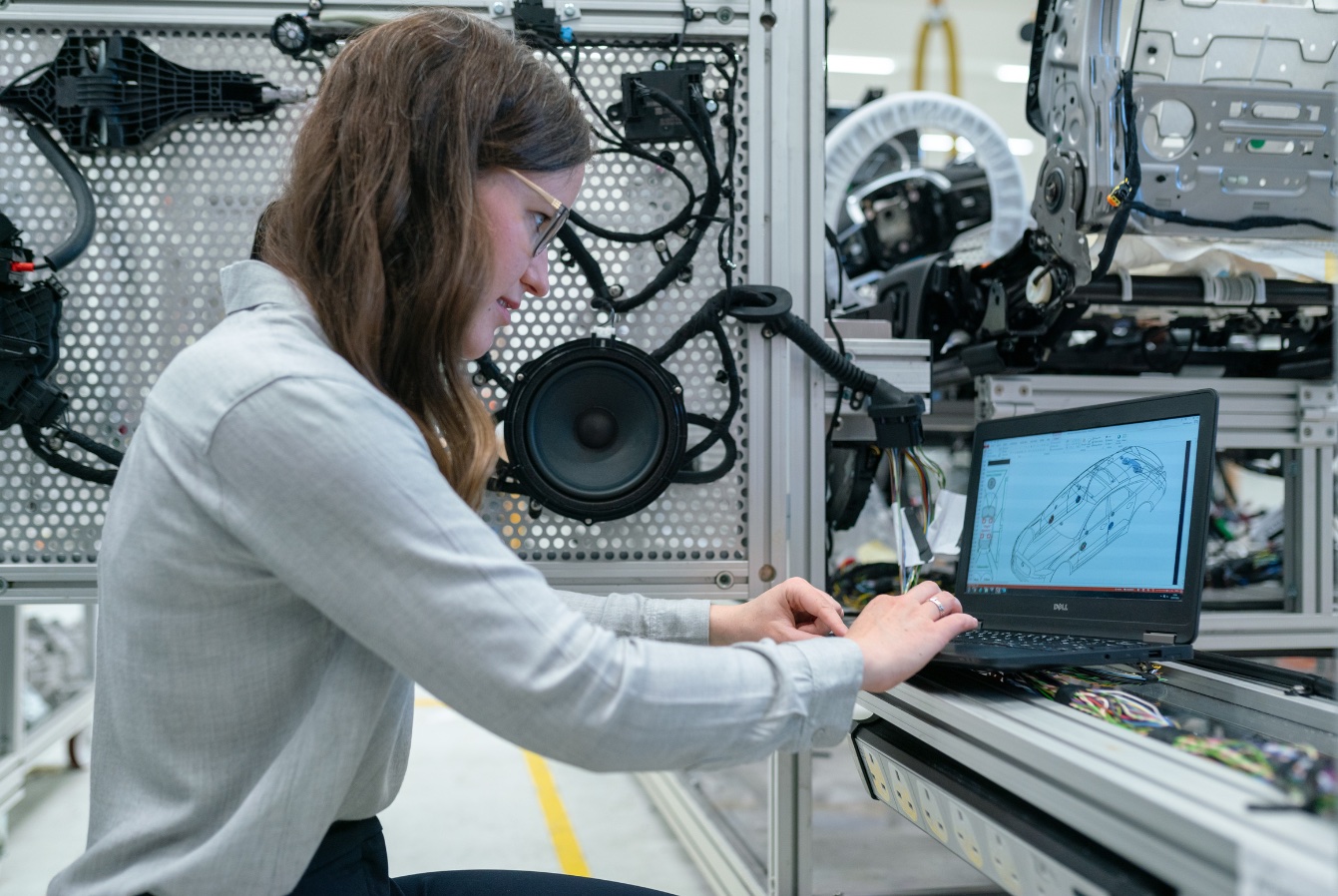
Coding is essentially another term for programming. It means writing code, from scratch or by using tools that provide blocks of code, to create programmes that can be used for a range of tech purposes. This might be mobile apps, smart devices, or a built-in satellite navigation service in a car.
Hardware engineering is about building physical objects that perform a task. So, it’s about making the car that the sat nav goes in, or engineering the best screen or speakers for the smartphone.
These two disciplines intersect frequently, particularly when you consider the physical objects we interact with daily. When engineers face challenges creating appliances or devices, coding can help circumvent those obstacles.
Currently, a scheme to partner universities across the U.K. with manufacturers aims to combine physical engineering with coding expertise. The aim is to introduce AI into manufacturing processes for increased efficiency and to develop sustainable packaging materials, among other goals. These ambitions require programmers and experts in physical products.
Coding as a Tool for Engineering Design

Whether they’re designing packing materials or smart cars, engineers require accuracy. This applies to the measurements and materials they use, but also to the data that drives design. Coding experts can help improve the design process by implementing workflows and processes that ensure accurate testing and measuring of test results.
A skilled programmer can help create a virtual prototype, and see how it may work in the real world using a simulation. You might have seen something similar like an AR (augmented reality) app that shows how a sofa or lamp might look in your room. True simulations go beyond just visuals to replicate temperature, weather, or any other factor that might impact a prototype’s performance.
The Role of Engineering Principles in Software Development

Engineers also help drive the coding process. They understand the end-user’s requirements, often having researched pain points and needs in great depth before starting a project. When engineers work closely with programmers, they can create efficient, user-friendly interfaces and devices that give delightful experiences.
Engineering principles include setting goals, planning, testing, and documenting every aspect of a project. Applying these same principles to development helps create reliable, robust software that’s easily updated and upgraded as needed.
It’s worth remembering that engineering is a very mathematical discipline. Code can help break down the maths, automating calculations and making the whole process faster.
The Future of Engineering and Coding

We’ll always need physical appliances, so we’ll always need engineers. But, as IoT (the Internet of Things) makes devices ever more connected, those engineers are sure to need coding experience or a coding partner to handle the programming of advanced devices.
The rise of automation impacts both engineers and coders, particularly in industrial settings. Automation allows systems to run automatically, remotely, and at specific intervals. This reduces the requirement for human intervention, promoting safety in factories and other facilities such as power plants. Engineering specialists must be involved in the automation process. They understand what wear and tear a machine can take, how often it needs to be taken offline, and how many times it can perform specific tasks. Coding experts handle the remote connection and gathering of data to ensure automation is effective, efficient, and functions as expected. Expect to see more examples of this as industries like agriculture and healthcare become increasingly automated.
Data analytics is a huge business right now. While data analysis might seem firmly in the realm of coders and programmers, engineers benefit massively from this influx of big data. In Formula One motorsport, for example, highly granular data from wind tunnel tests or in-car sensors during practice sessions help engineers decide on the car setup for race day. As AR and VR improve, that data could translate into 3D projections of the new car or car part to virtually test prior to getting on the track.
Here at Girls Into Coding, we’re incredibly proud to be encouraging a new generation of combined engineers and coders. Our girls learn skills in making, such as building robots and 3D printing a range of projects. But they also get to learn how to code and apply that code to their inventions, creating robots that perform specific tasks or learning about physical computing.
These skills empower girls and young women to create the change they want to see in the world. Whether they end up as expert engineers or sought-after programmers—or both!—we know that learning from a young age to work side-by-side with other coders and engineers will stand them in good stead for the technological advancements of the future.
Talk to Girls Into Coding about our completely free workshops and events encouraging girls in STEM and tech to get excited about coding, robotics, 3D printing, AI, and more.

Sign up here to our Girls Into Coding mailing list to be among the first to receive our articles and to know about future events!