One in six people around the world has a disability. That figure alone is a powerful statement on why the world of technology needs to be accessible to all. As the recent Paralympics in Paris showed, many disabled people, some as young as 13, can achieve incredible heights of success. But the ultimate goal is that all disabled people have a chance to succeed at whatever they’re passionate about.
A primary step toward this goal is ensuring that people of all abilities have access to STEM education from a young age and the chance to integrate their experiences into the tech of the future.
Leveraging Lived Experiences
We’ve already looked at how technology can help disabled people, particularly disabled young people, access more educational and vocational opportunities. Tech and engineering are also fantastic avenues for disabled students to pursue, thanks to the diversity of topics and multiple ways of learning various disciplines.
However, technological advancement also benefits from the encouragement of disabled innovators. The most obvious example of that is the progressions of technology specifically to aid with various aspects of disability. Take Rory Cooper, for example. He became paralyzed from the waist down after a road traffic incident which ended his military career. Instead, he got a degree in electrical engineering then a Ph.D. in computer engineering, and went on to found Human Engineering Research Labs (HERL). HERL uses technology and engineering to improve rehabilitation and mobility for people with a range of disabilities, and the assistive technologies they produce help provide independence and empowerment.
A Different Neurotype
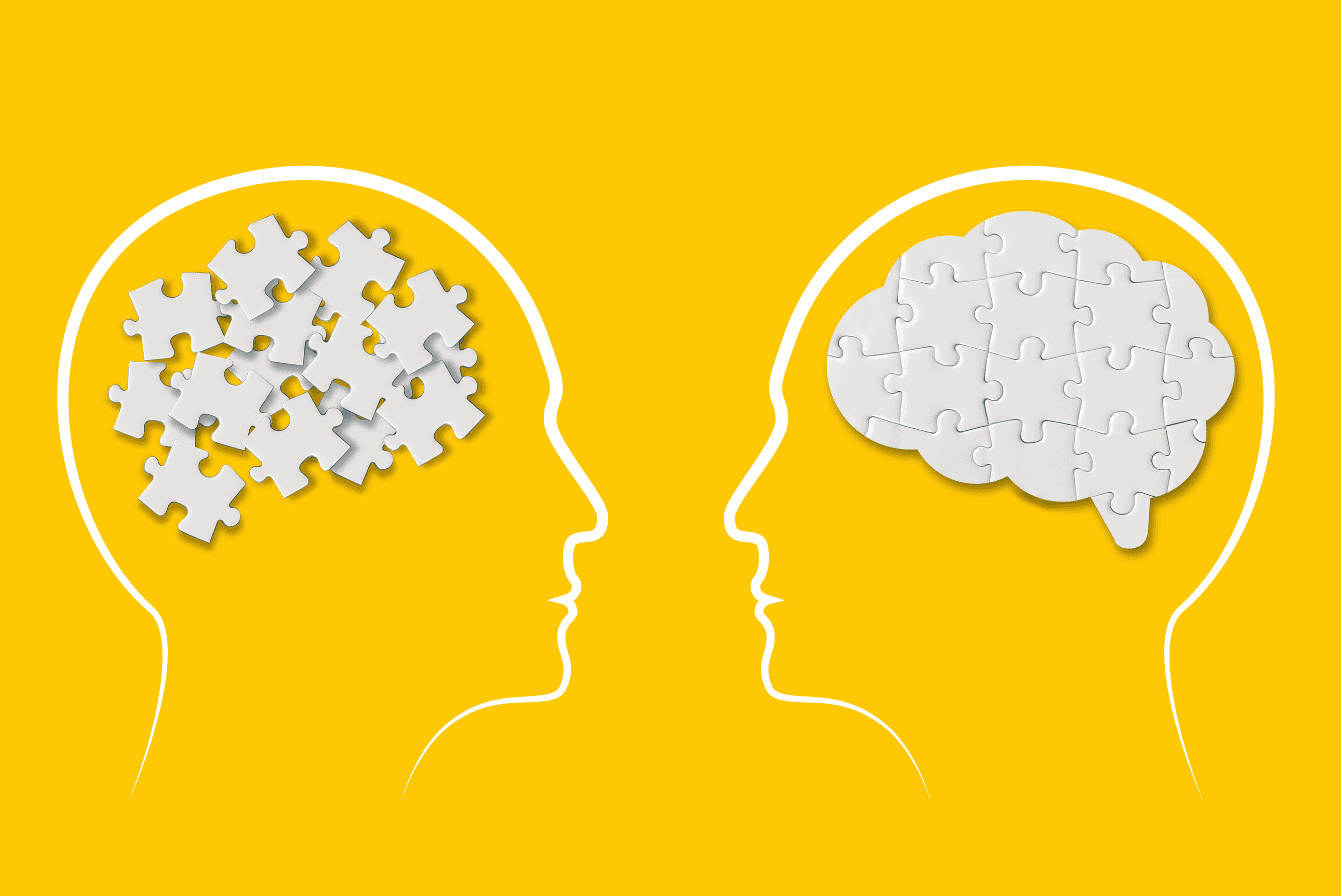
Physical disabilities aren’t the only aspect that needs to be considered when increasing the inclusivity of the technology sector. Another increasingly apparent factor is the rising numbers of autistic and otherwise divergent engineers and innovators.
While an estimated 1% of the population is diagnosed as autistic, that percentage rises sharply when the relevant diagnostic questions are given to groups of engineers. Could it be that autism actually aids innovation?
It’s possible. Terms like “hyperfocus” are often used to describe how obsessed a neurodivergent person (someone who is not neurotypical) can become with a particular topic. While this is often portrayed as a negative in the media — think the stereotypical image of trainspotters or stamp collectors — it can actually aid in focusing sharply on a narrow field.
The ability to put all one’s energy into a project to the exclusion of most other aspects of life can, with the right support, be incredibly useful in swiftly progressing ideas and experimentation.
Other neurodiverse conditions like dyslexia are also common among engineers. That’s why it’s critical that young people get the support they need so they have the chance to get to the academic level required to progress as engineers or other tech professionals.
Why Inclusion Should Matter to Technology Companies

Tech companies who aren’t already focusing on making their workplace more inclusive and welcoming could end up drifting behind those who are. Firms that welcome those with a range of disabilities enjoy increased productivity and revenue compared to less accessible companies.
Tech giants like Google are already ensuring their recruitment process is as inclusive as possible. For example, they provide support like sign language interpreters and captioning for deaf or hearing-impaired applicants. Google also works with its disabled employees to create accessible technology such as bespoke smartphone screens with larger icons or integrated braille keyboards.
Early Support Provides Better Chances

No matter how inclusive tech companies and universities become, it all starts with that early spark. Disabled young people and those with special educational needs (SEN) are more likely to get to that all-important interview point when they’re encouraged to discover their love of tech or engineering from the earliest point possible.
This often starts with those surrounding the individual, be that family, carers, or educators, believing that they can achieve whatever they want with the right support. That may include introducing disabled students to topics like engineering, robotics, 3D printing, computing, and coding in fun and accessible ways.
Peer-led learning is an excellent method for making these introductions to new interests. When young people see others like them creating and innovating, it immediately tells them that they can do it too. Rather than being some elusive, teacher-led subject, it becomes a fun activity that they want to get stuck in with.
Of course, not every young person will stick with tech as their passion. But the more that do, the better chance there is of a diverse pool of innovators bringing many different ideas to the table once they reach higher education or the world of work.
When the world is completely accessible, it benefits everyone. Actively encouraging disabled young people and those with SEN to pursue engineering and other tech disciplines could create a future that’s organically kinder and more inclusive to everyone.
Girls Into Coding hosts FREE tech education and engineering events for girls 10-14 with a range of abilities and needs, helping transform the girls in tech of today, of all abilities, into the women in tech of tomorrow.