Making. Crafting. Tinkering. Anyone who likes to get “hands-on,” learning how things work and how they fit together, falls under one of these labels. But are these makers and tinkerers actually engineers? Amateur makers have a lot more in common with professional engineers than you might think — including the potential to pursue engineering as a career.
If you have young people in your family who revel in creating, designing, and fixing, you could be raising the next generation of engineers.
What Makes a Maker?
From crafting all afternoon on a rainy day to tinkering with bikes or small appliances in the garage, makers are always looking for something to keep their hands busy. How they approach this can have similarities to the methodologies used by engineers — which is why many makers could have a bright future in tech or engineering roles.
Makers have a problem-solving mindset just like engineers. They’re just working on different types of problems. Your average maker might look at ways to leverage household items and available technologies like coding or a small 3D printer to improve everyday life. It’s possible to print parts for old appliances that have broken down, for example. There are even online resources to help makers print common items like plates or storage bins when they get broken.

Another commonality between makers and engineers is that both groups take an iterative approach to creating something new. They design, make, test, and redesign as needed. Of course, this means getting hands-on, building prototypes, tweaking them, and experimenting with different techniques. You’ll probably see makers and engineers using similar sorts of tools, from CAD software to 3D printers and soldering irons. The main difference here is that professional engineers also have far superior tools and technologies at their fingertips.
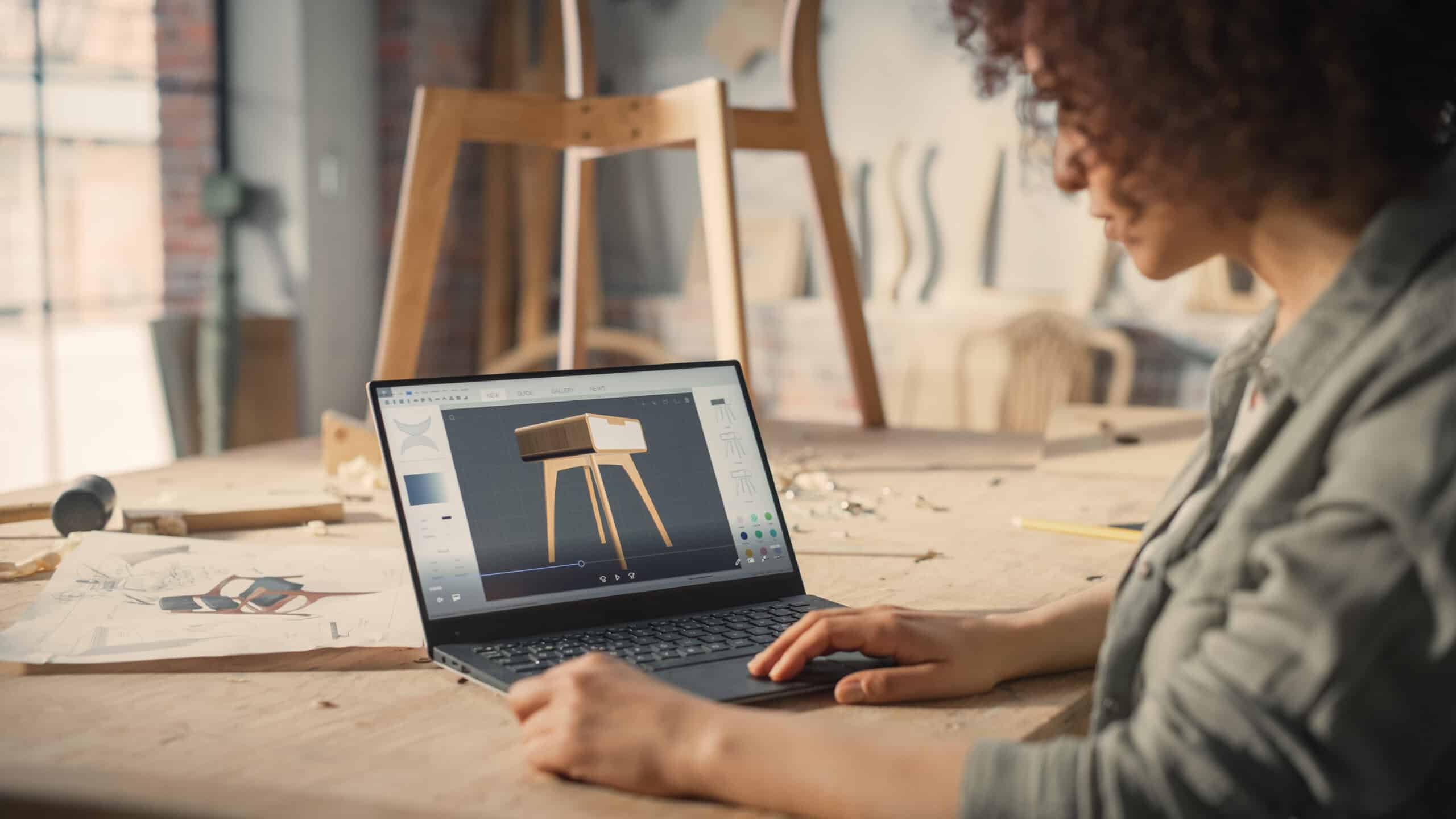
The average maker is usually someone with a curious and creative mindset. Engineers are, by nature and training, the same. They have a lifelong love of learning and are adaptable and open to new technologies, tending to look at the opportunities change can bring rather than focusing on the challenges.
The Maker Movement
Makers no longer have to tinker in isolation. The Maker Movement, also known as maker culture, has emerged as a growing subculture over the last few years. Think of it as a DIY mentality with the extension of technology. Makers combine typical hobbyist activities — metalwork, woodwork, and various crafting skills — with technologies like 3D printing, robotics, and physical computing.

Maker conventions and other community events are becoming increasingly popular, highlighting the philosophies of community and collaboration that lie at the heart of maker culture.
Differences that Complement One Another

Of course, we can’t talk about the similarities between engineers and makers without looking at the differences. While makers largely learn through doing, most professional engineers gain their skills via both academic and vocational qualifications. That doesn’t mean they ever stop learning through practical experience. However, that experience is often defined by their industry and job description, so they tend to create in a very specific direction.
Makers, on the other hand, are free to experiment, fail, and try again. They’re not constrained by deadlines, corporate budgets, or project boundaries. There are no industry-specific regulations to adhere to.
Could engineers benefit from this unconstrained mindset? Potentially. Leveraging the creativity and passion in maker communities could spark new ideas that can then be put into action by highly skilled engineers.
Makers Making that Shift into Engineering
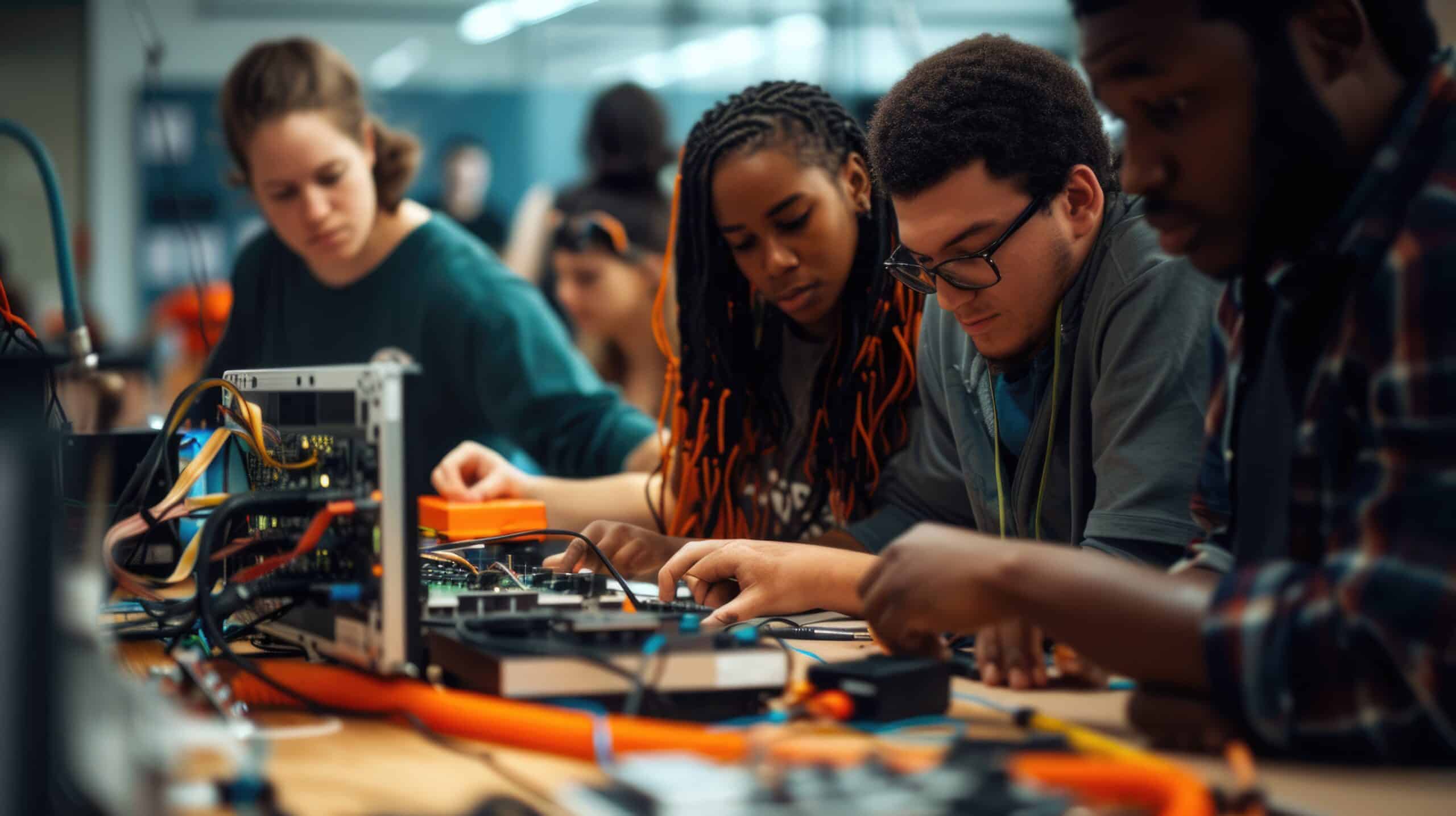
While we can define makers and engineers as separate groups, it’s important to note that there is a crossover. As makers become more skilled and even qualified, they can quickly move into the world of formal engineering. Take Limor Fried, for example. She began as a tinkerer, forever taking things apart to find out how they work. That led to her studying open-source software and, eventually, enrolling at the famous Massachusetts Institute of Technology (MIT).
Today, she’s the CEO and chief engineer at Adafruit, a company creating fun electronics kits and related components for people of all skills and ages. Beyond the hardware, Adafruit makes all its code, principles, and schematics freely available, helping to encourage even more makers and potential engineers.
Why Makers Matter to the Future of Engineering

Creative Question mark with gears. Eps10 vector for your design
This exciting overlap between making and engineering matters because the world needs skilled engineers more than ever. Engineers across a range of disciplines could help tackle the big problems of today that, if left unchecked, will become the disasters of tomorrow. Climate change, poverty, and other aspects of inequality represent looming threats to society. But with the right technological solutions — designed and implemented by creative engineers with a “maker mindset” — those threats could be downgraded to nuisances.
Next month, we’ll take a closer look at how the maker movement is influencing the engineering sector, and how to bridge the gap between hobbyists and professionals. In the meantime, see if you can give your young tinkerers the tools and space to let their creativity flourish. With the right encouragement and support, the makers of today really can be the expert engineers of tomorrow.
Girls Into Coding hosts FREE tech education and engineering events for girls 10-14, exploring 3D printing, robotics, and more. Discover how young makers, crafters, and tinkerers become enthusiastic engineers in a safe and inclusive environment. We’re proud to help transform the girls in tech of today into the women in tech of tomorrow.