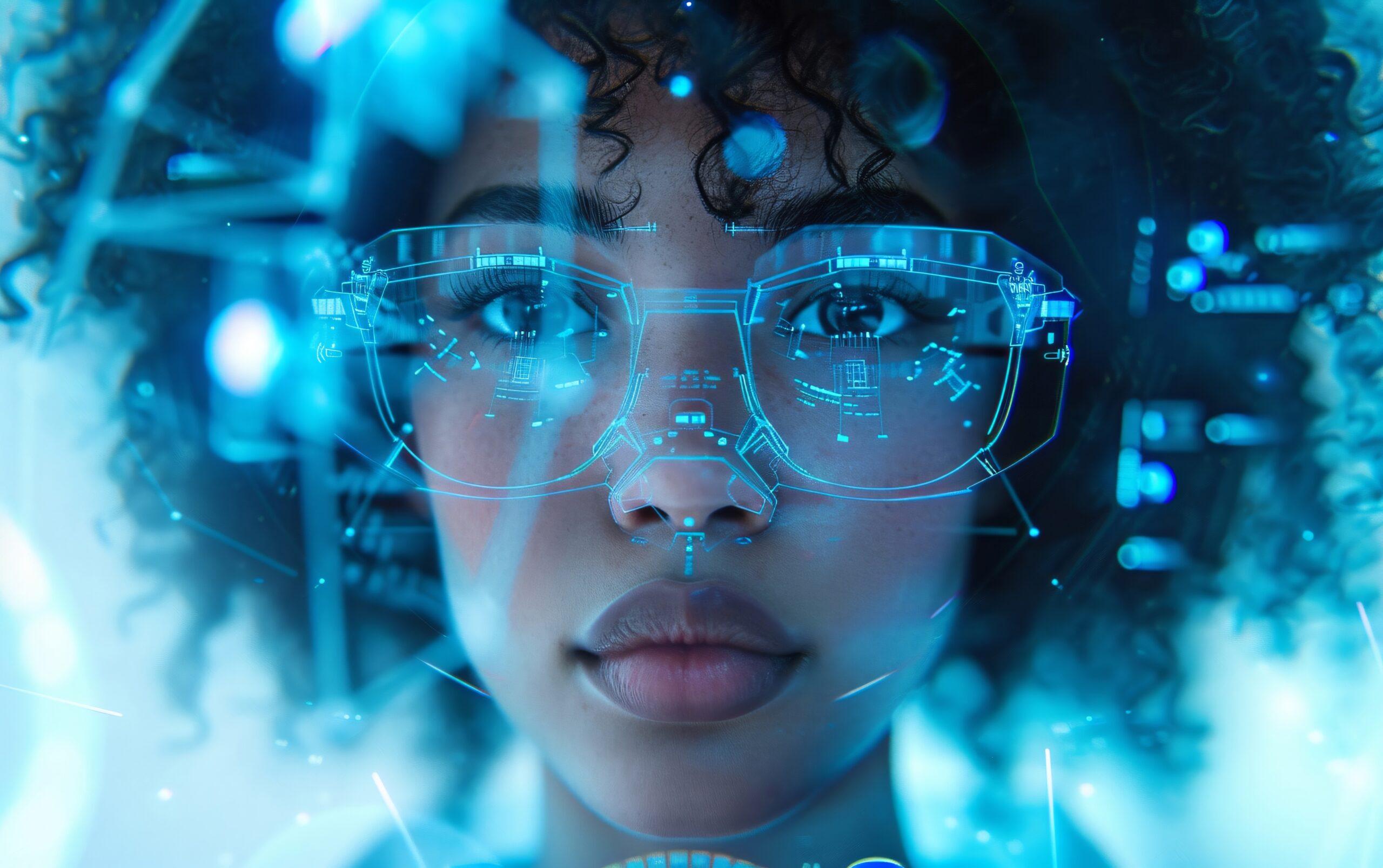
Jensen Huang, CEO of Nvidia, was recently asked what advice he would give his younger self. What would he do differently if he were a student today?
He replied, “The first thing I would do is learn AI.”
When the leader of a tech giant considers AI the most influential aspect of digital life for a young person, it prompts an important question: Is AI in education a good thing, and should students be learning how to use it?
With most daily digital activities — from web searches to smartphone apps — now incorporating some form of AI, it seems urgent that we encourage our young people to get at least a foundational understanding of what AI is and how to use it.
Why Kids Need to Understand AI
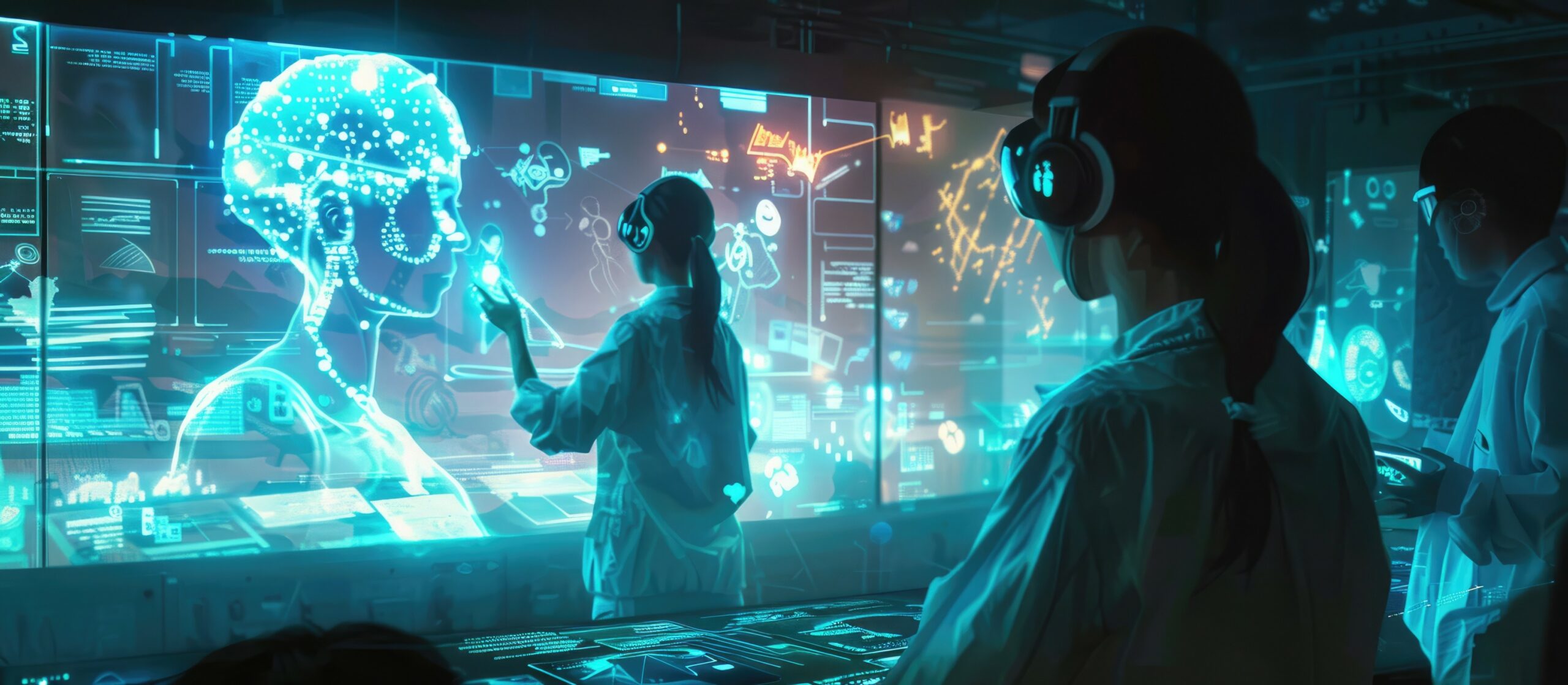
Even if the children in your life don’t currently use AI for their own purposes, they need to be aware of it. Understanding its uses and limitations helps create a more discerning generation, less likely to share hoaxes created with AI and more likely to instantly spot fiascos like the recent Summer book list, packed with fake titles.
AI is short for artificial intelligence, but at this stage, it’s not quite intelligent enough to truly be classed as such. Rather than containing true learning intelligence, today’s generative AI is only as smart as the data it’s trained on — and the prompts it’s given.
Young people who learn how to correctly prompt AI tools and quickly spot hallucinations — those instances where AI gets it wrong — could get things done faster and smarter. With AI tools heading into the classroom, there’s never been a better time to educate young people on what AI can and can’t do.
The Shift Toward AI in Education

Teachers and other educators now have an array of AI-powered tools at their fingertips. From classroom schedule planning to marking tools, generative AI can make the administrative side of educating much more efficient.
The UK Government believes that AI has the power to “…ensure that every child and young person, regardless of their background, is able to achieve at school or college and develop the knowledge and skills they need for life.” Their approach to AI in education is that teachers should be able to spend more time teaching, not planning.
Interestingly, AI can also help press pause on undesirable digital behaviours. Students who decide to cheat and get ChatGPT to do their homework, for example, won’t get away with this with the right tools in place. AI detectors are becoming more effective, helping teachers quickly spot when a student has taken the easy path.
This is yet another reason why it’s so critical we teach young people about AI. Kids who think they can get ChatGPT to write a 900-word essay aren’t going to receive the same level of education as someone who uses the same tool to suggest an effective revision timetable. Generative AI isn’t a way to skip past hard work, but it can take some of the tedium out of it. You can use AI to:
· List resources connected to a topic
· Brainstorm
· Suggest ideas for creative projects
· Create schedules, to-do lists, and checklists
· Analyse data for graphs and charts — tools that do this often combine analytical and generative AI
UNESCO suggests that AI in education needs a human-centred approach, where it’s clear that AI is a tool, rather than a replacement for thoughtful effort. To achieve that mindset, children need to learn the capabilities of AI from an early age.
Addressing Common Concerns

Despite becoming a part of mainstream education, for many people, the use of generative AI is still an ethical quandary. Common concerns include:
· Large language models (LLMs) trained on copyrighted data
· Inherent bias caused by a lack of diversity in AI specialists
· Environmental concerns
All of these worries are valid, yet it’s important to remember that AI also has many benefits. Some developers are looking at how AI can support disabled people. For example, the ability to generate cover letters and CVs could help more disabled people find work.
AI, despite its reputation as a power-hungry beast, could also be at the forefront of efforts to fight climate change and other global issues. One report suggests that AI models are already better at interpreting weather forecast data than traditional tools.
Developers shouldn’t ignore concerns about the impact of their tools. As AI evolves, developers who remain transparent and show how they’re offsetting potential negative impacts have a chance to edge ahead of competitors. More openness in the world of AI development could lead to greater acceptance of its use in educational institutions.
Addressing AI in the Here and Now
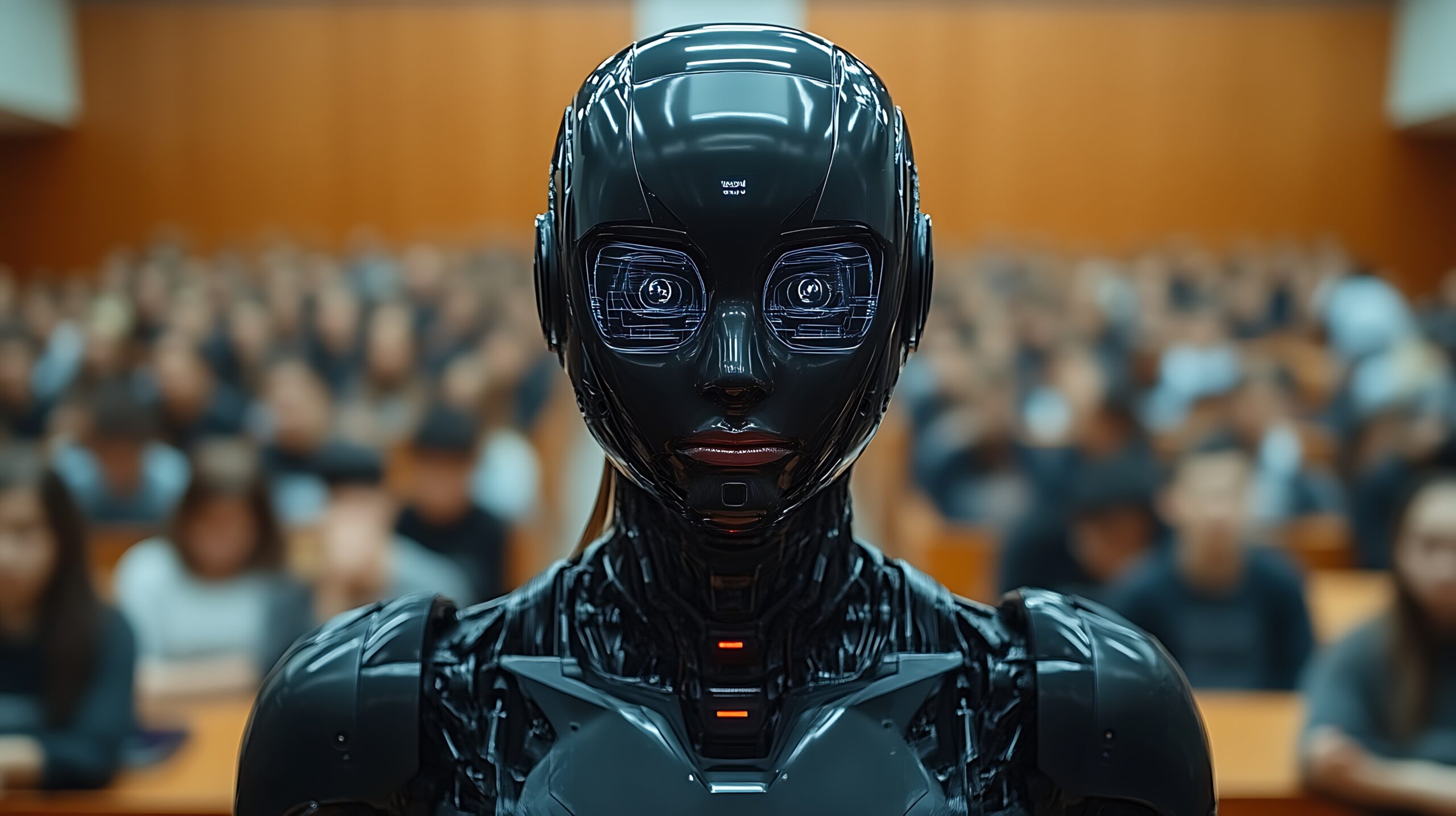
For now, keep having open conversations with your young people about AI. Discover what tools they’re already using and the impact that’s having, and maybe even ask your child’s school what AI solutions they’re incorporating. The more you know, the better prepared you are to help your child navigate an increasingly AI-powered world.
Girls Into Coding hosts FREE tech education and engineering events for girls 10-14, exploring physical computing, engineering, robotics, design, 3D printing, and more. Discover how young makers, crafters, and tinkerers become enthusiastic engineers in a safe and inclusive environment. We’re proud to help transform the girls in tech of today into the women in tech of tomorrow.