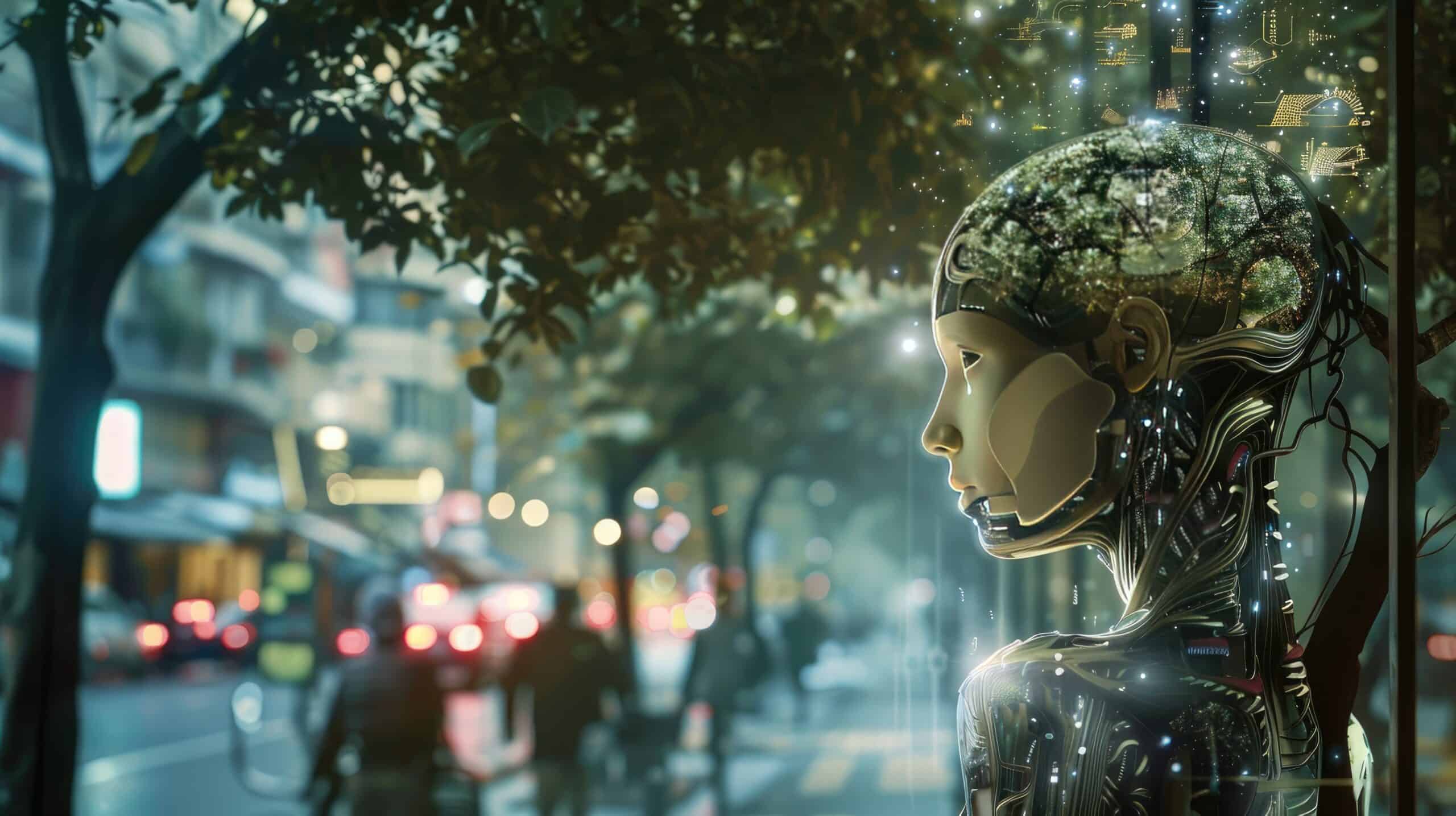
It’s hard to ignore the rise of AI and machine learning across many aspects of society. We’ve already talked about it on our blog and it’s the topic of some of our workshop projects and talks. There’s no denying that AI has many potential uses and benefits.
Yet many argue that AI, particularly generative AI, is hurting certain industries and individuals. Artists, writers, and musicians fear that the rise of generative AI could spell a major downturn in work for them. Plus, their work may be being used without their permission. Can this be true, and if so, what can artists do about this?
A Brief Introduction to Generative AI
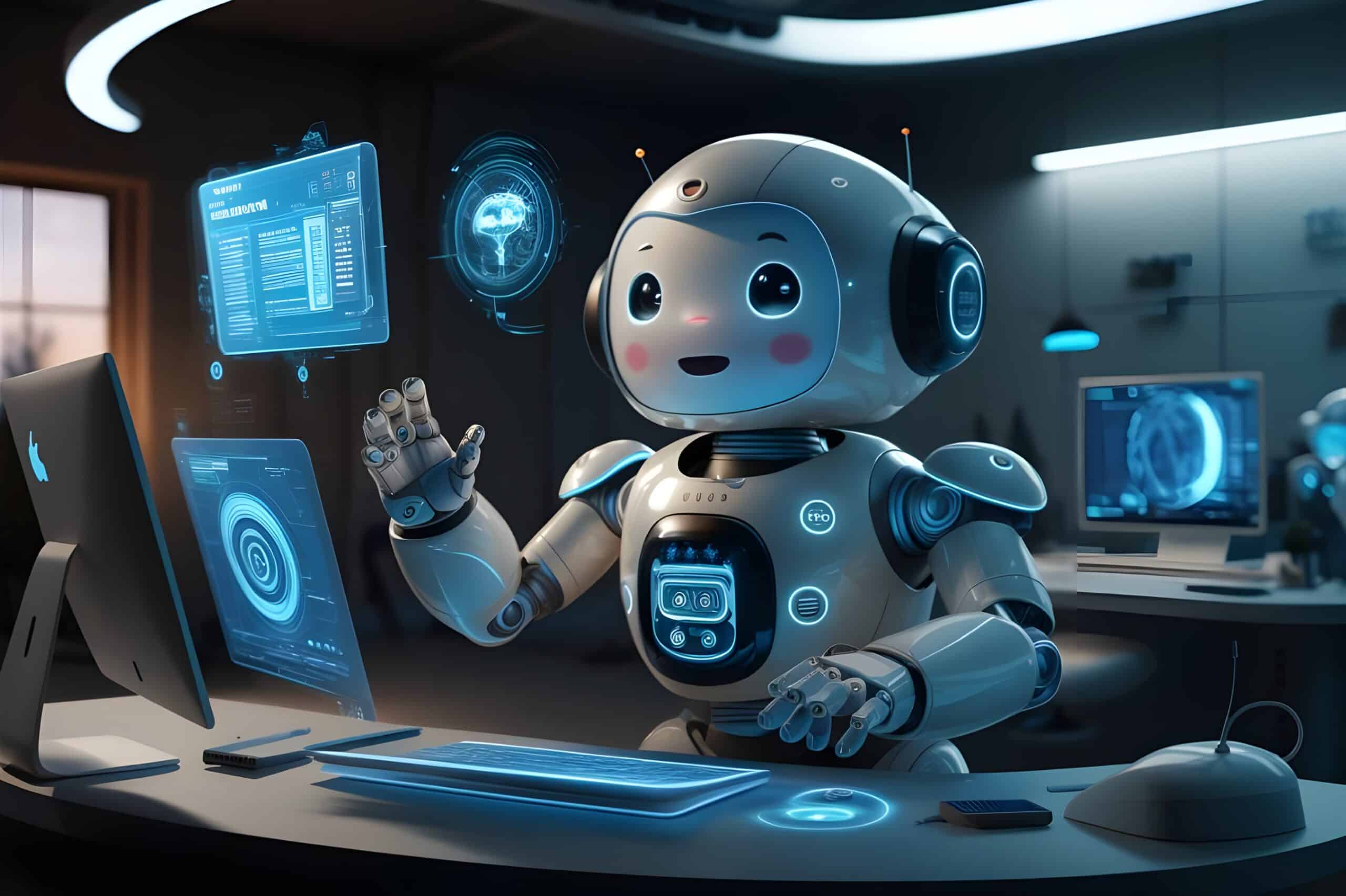
Generative AI has been around for a while but really burst onto the mainstream tech scene in late 2022 with OpenAI’s ChatGPT. The novelty of being able to have a human-like conversation on just about any topic intrigued everyone. So much so, that the app reached 100 million users in record time — even faster than TikTok.
With generative AI tools like ChatGPT, the user gives prompts and the tool produces writing or art based on its interpretation of those prompts. The key machine-learning tactics behind this are:
- Natural language processing (NLP): The ability of machines and computers to understand and process human language.
- Natural language generation (NLG): The ability to transform computational processes into language the average user can understand.
- Pattern recognition: Sifting through large data sets to collate the millions of ways text and images go together and using that data to create new content.
At first, generative AI seemed like a fun tool. So why are so many artists and other creative types up in arms about its use?
Problematic AI Training Methods
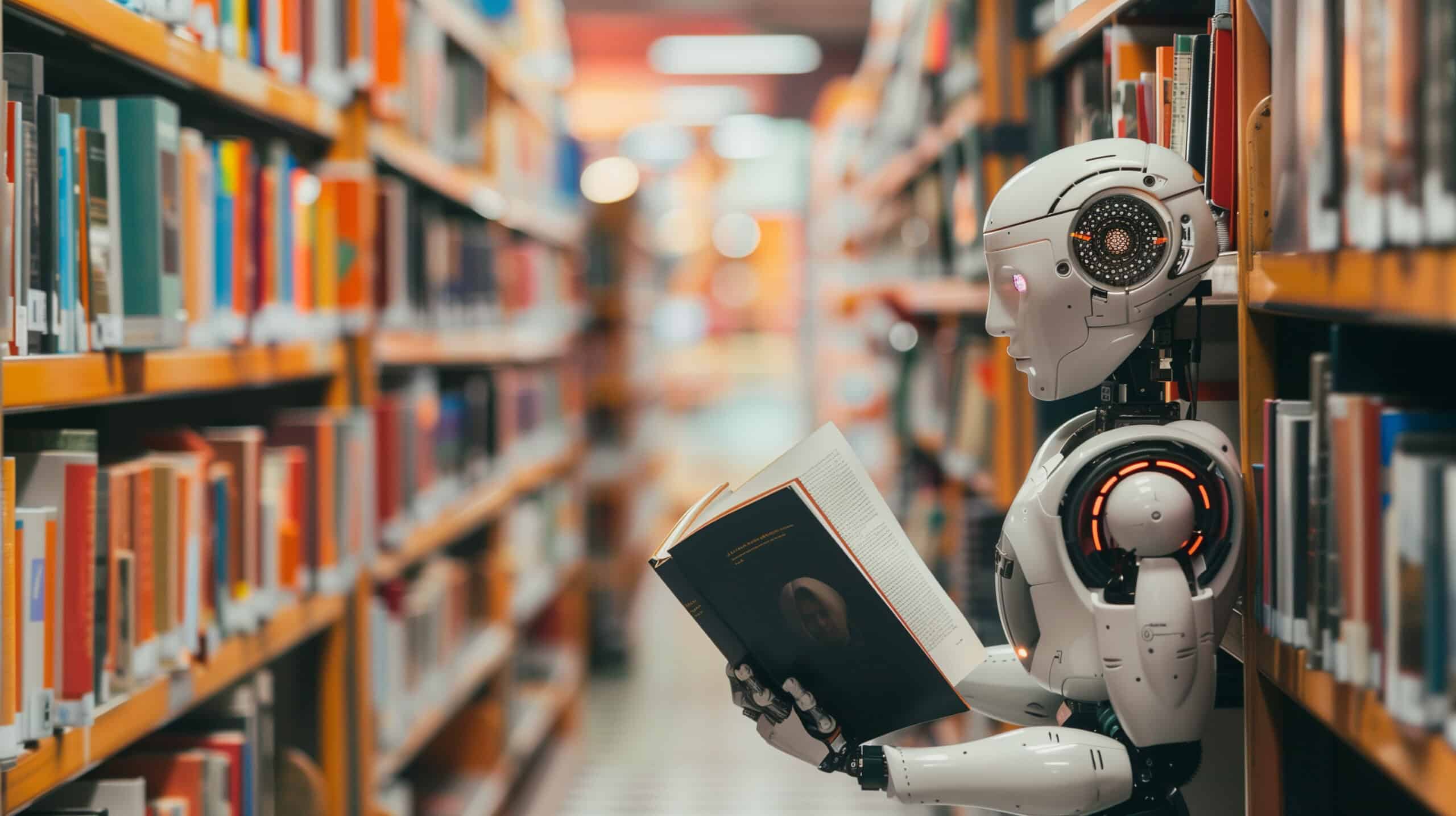
Because generative AI in its current form is so new, there is very little regulation surrounding its use. This includes the “training” of AI models — how they’re programmed and the contents of the data sets they use.
Unfortunately, this means that AI models are being trained on data they potentially shouldn’t have access to. Remember the Google Deep Mind NHS fiasco? Around 1.6 million patients had their data accessed without consent.
Similarly, artists are discovering that their work is being used to train AI models without their permission. This is a much more complex ethical consideration. After all, if an art student goes to a gallery, sees a stunning picture, and learns from that work, isn’t that the same?
Not really. AI doesn’t “learn” and it’s not going through any type of human process. Instead, it’s “scraping” data from thousands of images and cobbling aspects of them back together in an attempt to create something new. With many major platforms like Canva and Adobe now pushing AI-generated content, it’s clear that companies are profiting off the work of artists they never consulted with before training their AI models on them.
What Can Artists and Writers Do?

The primary concern of most artists (and writers and musicians) is that they’ve never been given the opportunity to consent to having their work used. It’s now possible to opt out of having AI companies use your art, either via online forms or by contacting the company directly.
In the United States, it’s now illegal to copyright an AI-generated image, which should encourage businesses to turn to human artists. In the UK, no such law exists as yet, but this may change as AI use continues to grow.
A reassuring note for artists is that AI is nowhere near as close to emulating human artistry as feared by many. Common issues include:
- Wild inconsistencies and errors — Google’s generative AI recently recommended someone put glue in their pizza toppings to make them less runny. Do not do this.
- Hands and faces in the “uncanny valley” — human-like but not quite right, often with layers of teeth or too many fingers.
- Repetitive, boring phrasing used over and over.
- Overly complex content that’s tricky to read.
AI-generated content is so poor that many publishers, creative agencies, and copywriting firms have a zero-tolerance policy. Writers and artists who submit AI content are simply shown the door.
Meaningful Uses of Generative AI

So, if AI content is so disappointing, what’s the point of generative AI? Well, it’s not to replace artists, writers, and musicians, that’s for sure. However, there are some genuinely useful ways to utilize generative AI:
- Customer service chatbots.
- Coding assistants, particularly recycling existing code and providing recommendations.
- Pairing with organizational data to produce accurate reports fast.
- Sifting through large data sets and suggesting next steps — an aspect of predictive analysis, useful in both business and the sciences, e.g., climate change modelling.
- Summarising the key points of complex articles.
- Product ideation — getting basic visual ideas together before passing them to a trained, human artist or designer.
Generative AI could and should be put to work dealing with the problems of our society: the digital divide, inequality, and environmental concerns. Some organisations are already doing just that.
The European Space Agency (ESA) uses AI to map and generate imagery of icebergs, for a better understanding of ocean physics and changes across Antarctica and Greenland.
The Scottish firm Space Intelligence uses AI to map and monitor deforestation. It then shares this data with other climate-invested entities for a global, collaborative approach to carbon management.
These achievements don’t mean that the ethical concerns surrounding generative AI should be overlooked. If anything, using tech for good means it should be good and ethical and every stage of conception, training, and implementation. AI developers need to focus on ensuring a lack of bias, protecting the rights of artists, and providing meaningful tools that can make a genuine difference to our world.
Girls Into Coding provides FREE events and workshops that give girls hands-on experience with emerging technologies like AI. We’re transforming the girls in tech of today into the women in tech of tomorrow. Find out more here.

Sign up here to our Girls Into Coding mailing list to be among the first to receive our articles and to know about future events!