One of the strangest things about most mainstream educational establishments is the sharp line drawn between “The Arts” and “The Sciences,” including technology. At a basic level, it seems like art (including music, drama, and all creative endeavours) is wholly separate from the mechanical or digital worlds.
Professionals who work in any STEM or art-related industries know better and, thankfully, that understanding is starting to pass down to our young innovators. Art has always inspired technology — we’ve already taken a good look at how Design Thinking powers innovation in technology. Amazing innovations require beautiful designs that consider user experience. But it’s not all about practicality. Art develops and expands thanks to technology, and in turn, inspires innovators to visualize more beautiful creations.
Digital Art Tools Blur the Lines
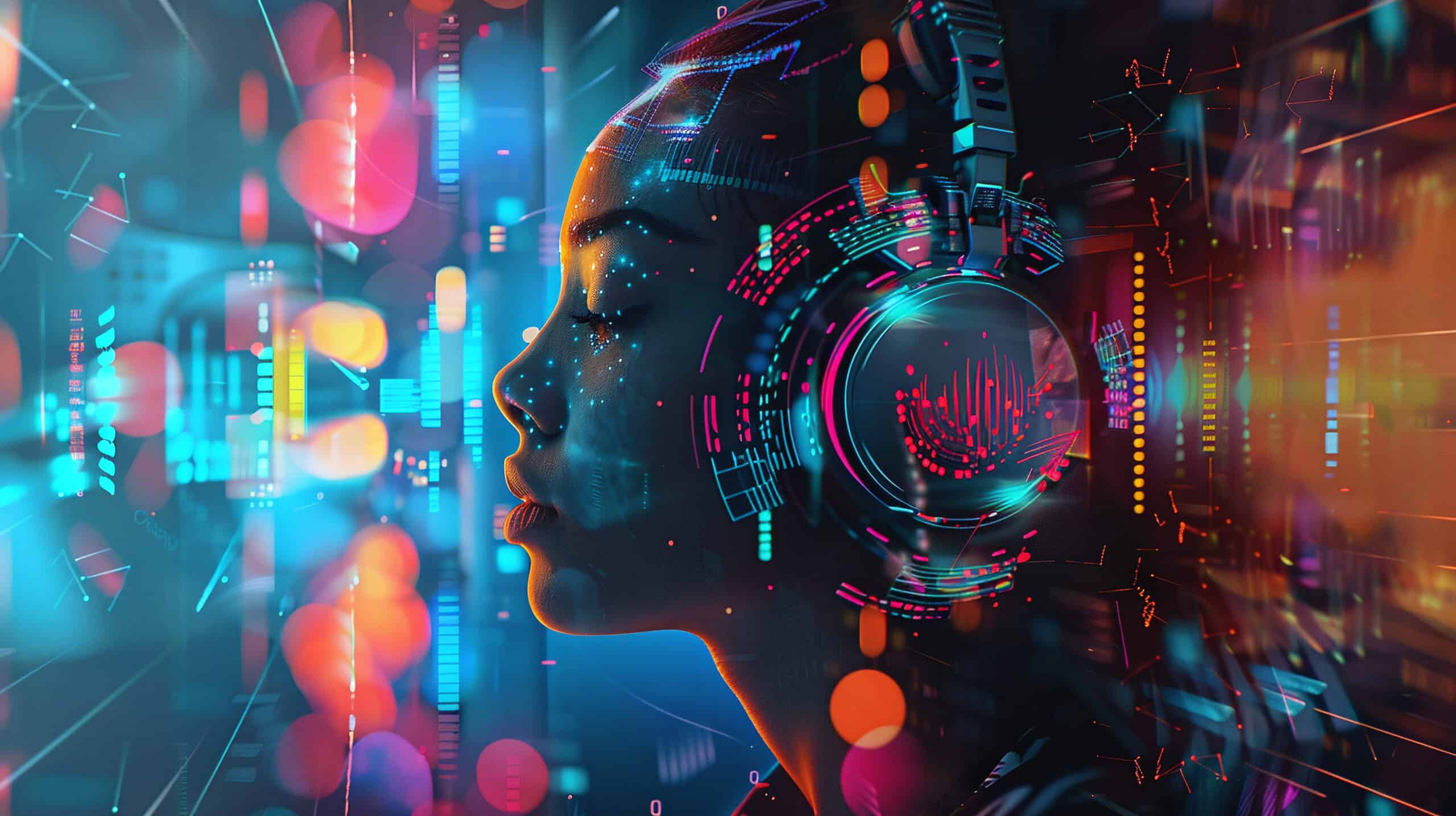
The first and most obvious example of the intersection of art and tech is digital art. Creating art using a computer is nothing new. In fact, digital art’s history really starts in the 1980s with the rise of computer-generated graphics. Art programs developed from the very basic to incredibly advanced, and today, most computers have a built-in art package in the form of Paint or something similar.
Modern professional digital art packages allow artists to create masterpieces that could easily have been painted, drawn, or chalked onto paper. The range of emulated techniques and effects helps blur the lines between physical and digital art for the viewer, making art more accessible to many. The use of styluses and touchscreens has made digital art more like physical drawing than ever, with artists able to use similar techniques across both disciplines.
From Screen to Sculpture with 3D Printing
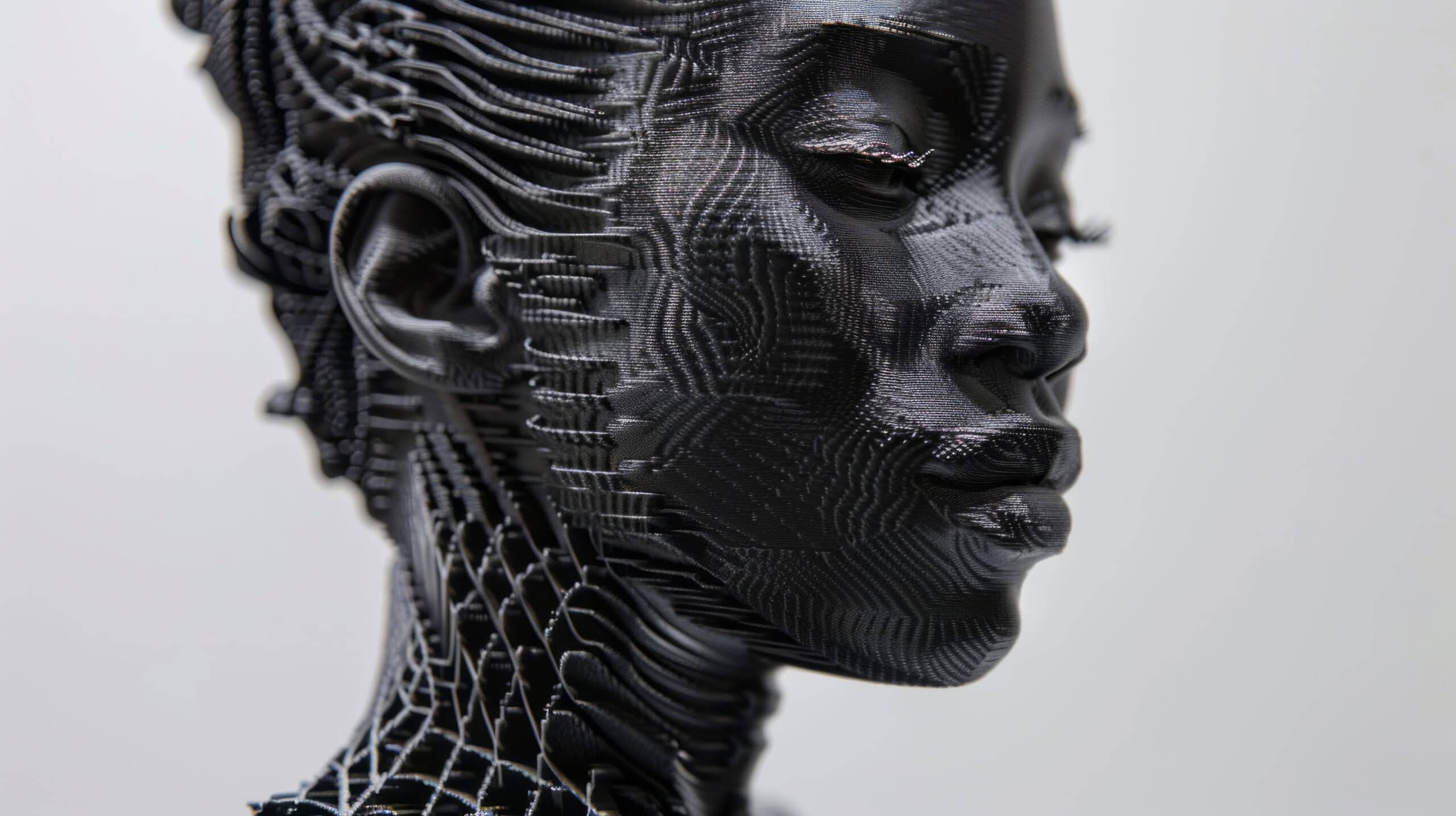
Digital art isn’t just trapped behind a screen. With the right 3D printing technology, sculptors can create art that you can have right in your living room or see in public spaces. 3D printers use filaments that follow a precise program or set of instructions. These instructions tell the printer exactly how and where to place filaments to create three-dimensional objects. Already used in construction and healthcare, 3D printing has obvious applications for art and design.
For anyone who thinks 3D printing a sculpture is cheating, consider the incredible precision and artistry behind every design. Each sculpture must be artistically creative but also printed with incredible accuracy to match the artist’s vision. Take The Embrace, for example. This sculpture, created in honour of Martin Luther King Jr. and Coretta Scott King, is crafted from 608 individually printed pieces. Each was carefully designed to match the artist’s original computer model and a smaller, 3D-printed reference piece.
NFTs and Blockchain
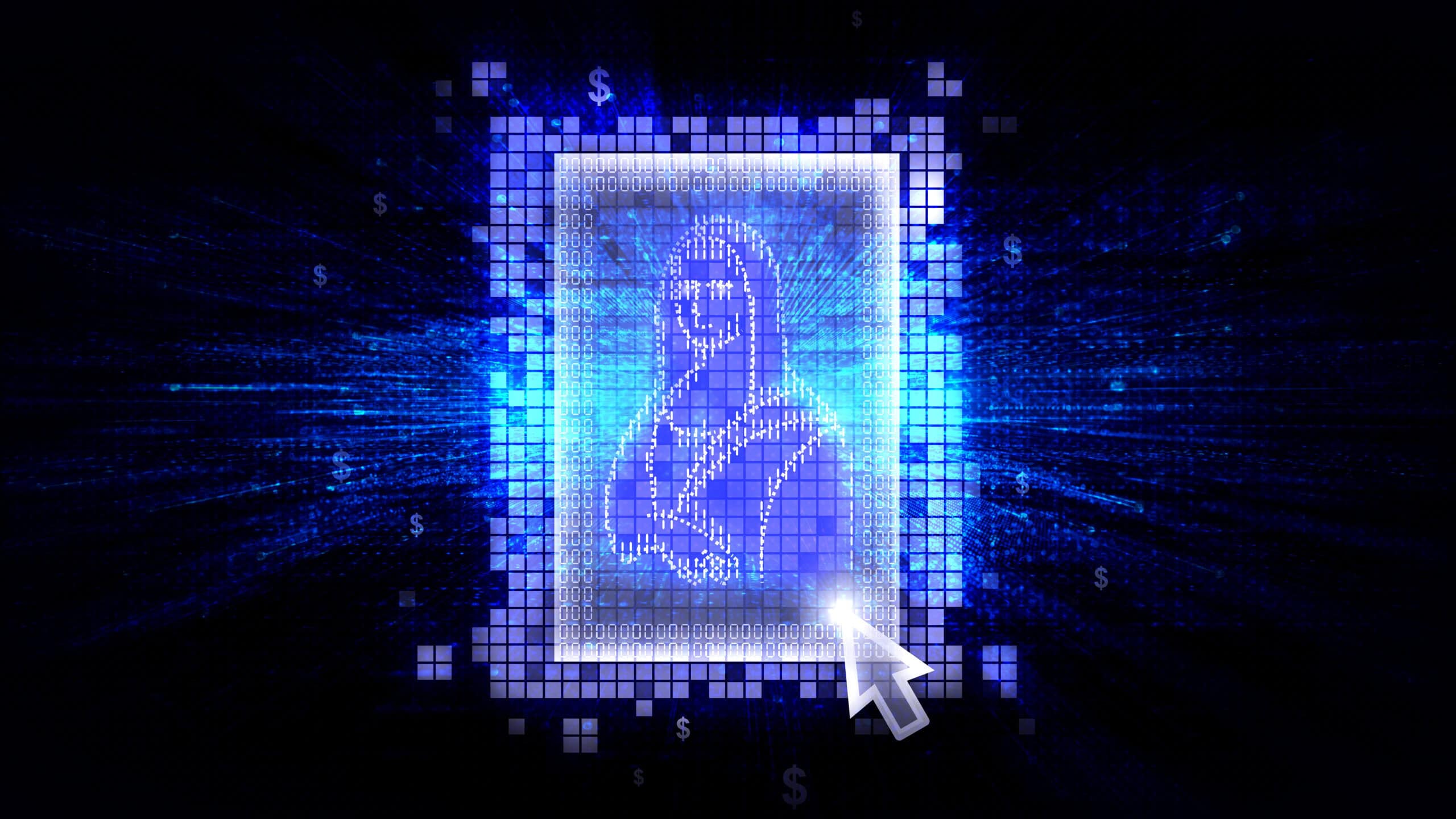
A sculpture like this is available for all to see, but what if you want to own a piece of digital art? That’s the concept behind NFTs or non-fungible tokens. While anyone can take a screenshot of an image, they don’t then own that image and the copyright behind it. NFTs use a technology called blockchain — the system behind cryptocurrencies like Bitcoin — to make digital tokens that are entirely unique. These tokens are then attached to digital assets like art, music, or even video game content.
NFTs can help artists break into their genre thanks to the sustained interest in these tokens. Established artists stand to make a lot of money by leveraging this format. In 2021, artist Beeple sold an NFT attached to a collage of 5000 of his artworks, called Everydays. The art and its corresponding NFT went for an astonishing — and record-breaking — $69 million (around £53 million) at auction. While there are concerns about the environmental impact of blockchain, it’s clear that art very much inspires this segment of technology.
What About AI?
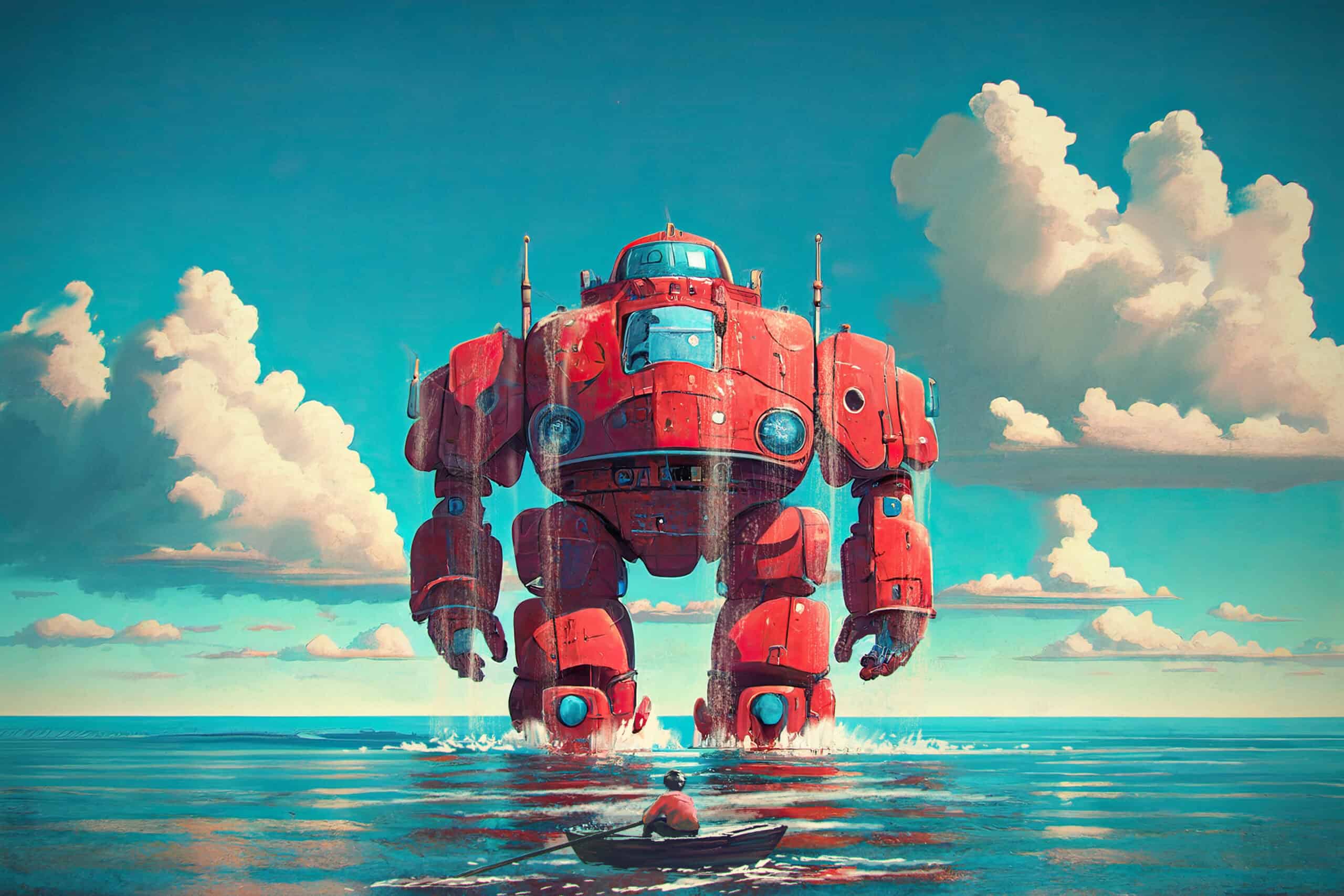
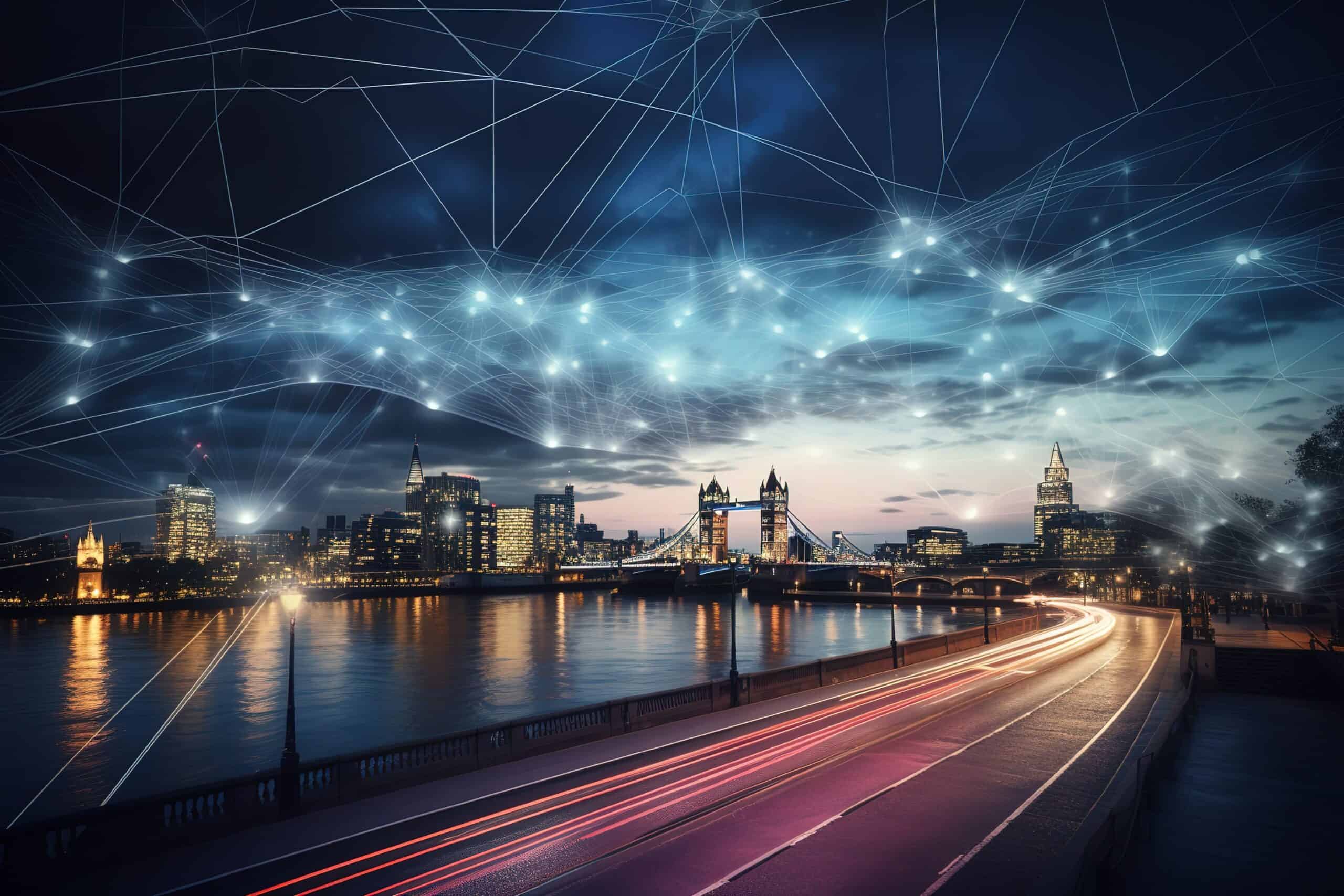
It’s impossible to talk about art and technology without mentioning AI. Generative AI has become a mainstay of the modern technological world, underpinning chatbots, customer support messaging services, and virtual assistants. It’s also possible to create images, videos, and even music with the aid of AI.
Opinions on the use of AI in art are split. There are some genuine concerns, such as training AI on artists’ work without their consent. There’s also the worry that AI-generated images contribute to misinformation. Some widely circulated images are deliberately misleading. The stock market took a dip in 2023 after an AI-generated image of the Pentagon appeared, showing smoke coming from the building. It was fake and quickly debunked, but not before impacting the economy.
There’s no denying that AI can be a very useful tool for creative professionals. Many art and photography apps use AI for blending, effects, and even design suggestions. With the right guidelines and requirements in place, AI could be welcomed by more people. For example, many concerns would be alleviated if all AI training was always ethical and guaranteed not to impinge on copyrights. Similarly, if there was a requirement to mark all AI-created images as AI content, this could greatly reduce the impact this technology has on increasing misinformation.
Drawing Conclusions — Moving Art and Tech to the Next Level
There’s so much more to say about how art inspires tech and how tech helps artists innovate. That’s why we’ll be back to talk more about this topic next month. We’ll take a look at rising trends and the future of art/tech intersectionality, and why beautiful technology is so much more inspiring than practical innovations alone.

Girls Into Coding hosts FREE tech education and engineering events for girls 10-14 with a range of abilities and needs, helping transform the girls in tech of today, of all abilities, into the women in tech of tomorrow.